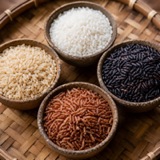
Nutritional diversity
Often higher in fiber, minerals, natural antioxidants, and beneficial plant compounds than highly polished modern rice.
For centuries, Tamil Nadu nurtured hundreds of native rice varieties — each suited to its soil, season, and table. We grow, preserve, and bring these heritage grains back to your kitchen.
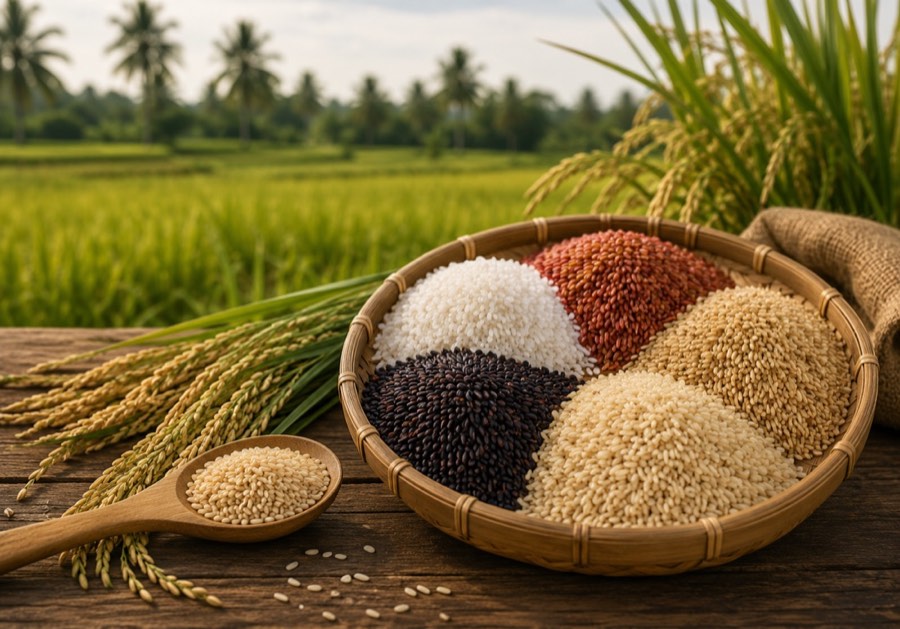
For centuries, hundreds of traditional rice varieties were carefully cultivated to suit local climates, soils, seasons, and culinary traditions. These grains were more than produce — they were the foundation of rural life, community health, and food security.
Long before hybrid agriculture, farmers preserved native rice through generations of seed saving and agricultural wisdom, closely tied to Siddha food traditions and ecological farming methods.
Today, only a fraction of these heritage varieties remain in cultivation. At Sri Swaminatha Agro, we are committed to preserving and reviving them through regenerative agriculture, native seed conservation, and direct farm-to-consumer access.
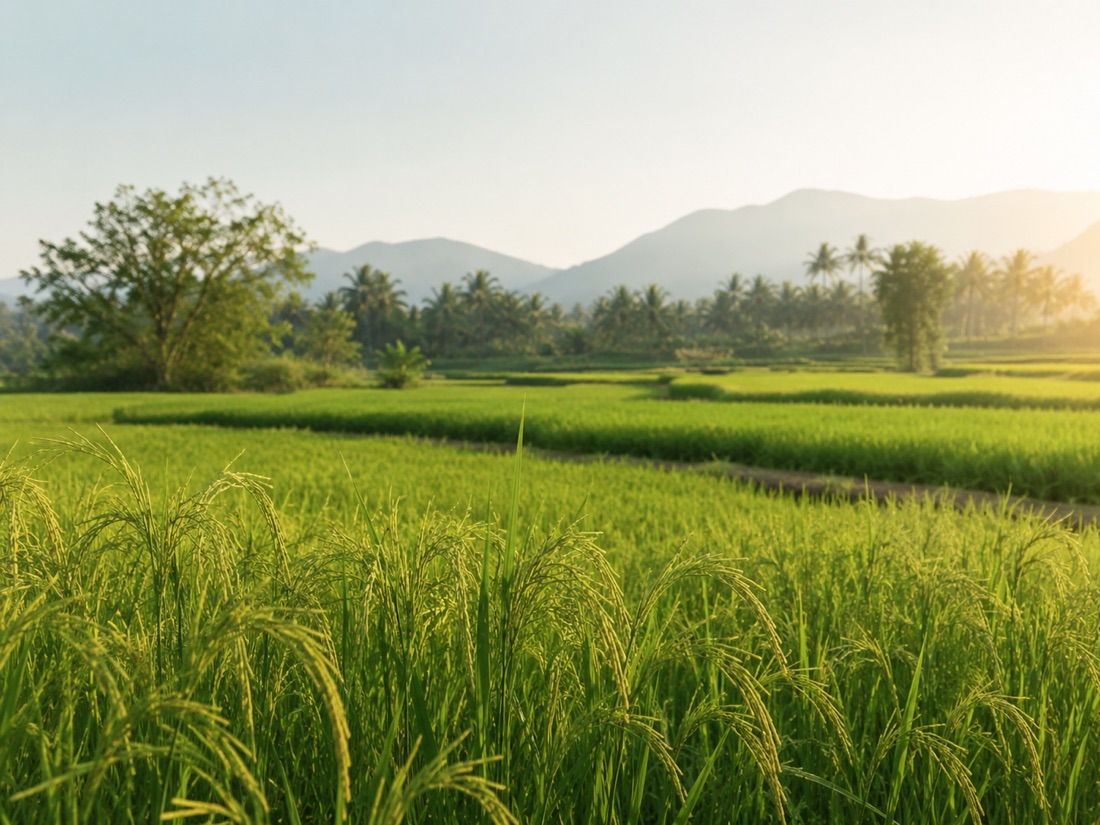
As consumers grow more conscious about nutrition, sustainability, and food quality, indigenous rice varieties are gaining attention once again — retaining their natural character and cultivated responsibly.
Often higher in fiber, minerals, natural antioxidants, and beneficial plant compounds than highly polished modern rice.
Heritage grains have long been valued for their digestibility and suitability in everyday meals, fermented foods, and seasonal diets.
Adapted to local conditions, native varieties are more resilient to climate variation, water stress, and changing environments.
Every grain carries generations of farming knowledge, cultural identity, and regional history worth protecting.
A living collection of Tamil Nadu's heritage grains — each with its own texture, character, and traditional role at the table.
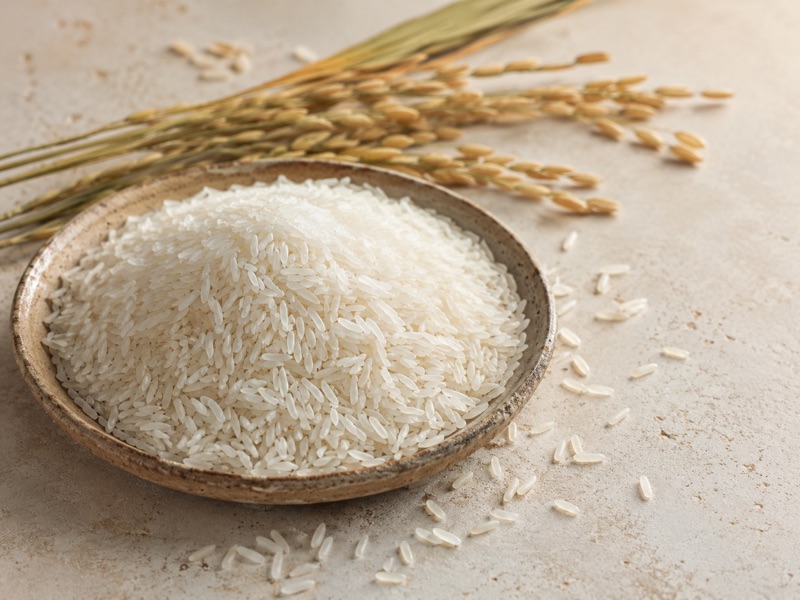
Named for cooked grains that resemble jasmine flowers. Soft, delicately aromatic and easily digestible — a daily favourite across Tamil households.
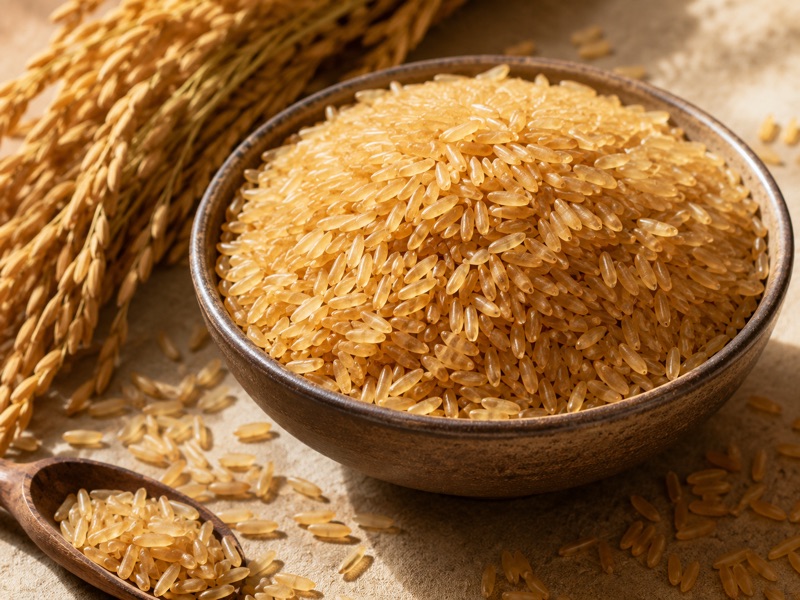
Prized for aroma and fermentation quality. Historically the grain of choice for traditional South Indian batters and tiffin dishes.
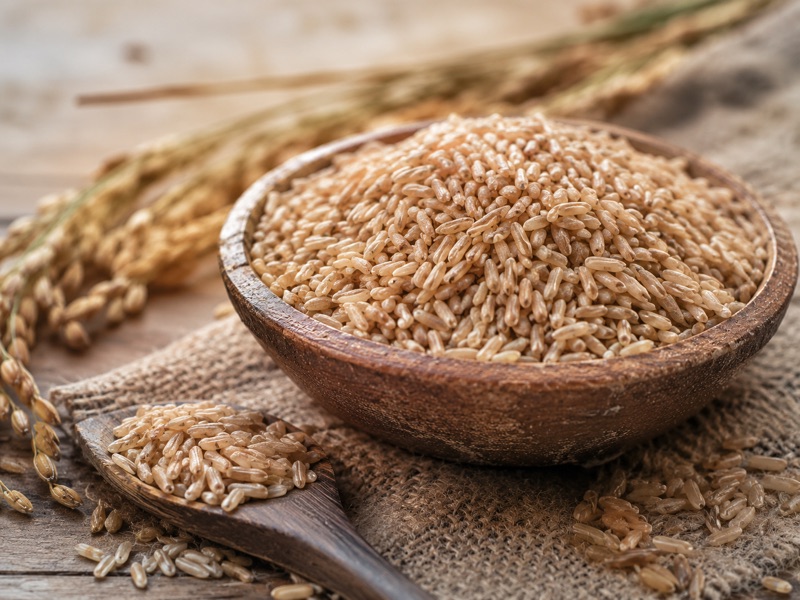
Rooted in the farming landscapes around Chengalpattu, reflecting the rich agricultural history of northern Tamil Nadu.
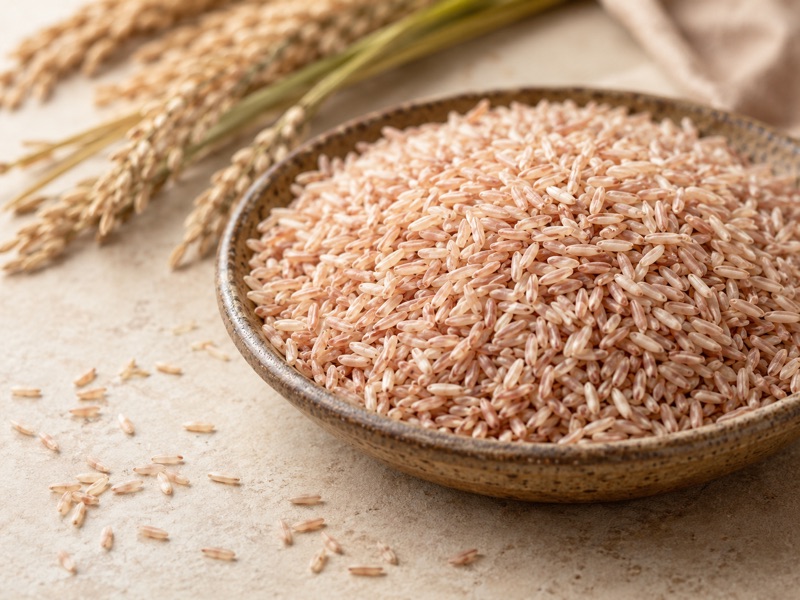
Known as a traditional women's rice, long associated with maternal nutrition and digestive comfort in rural food traditions.
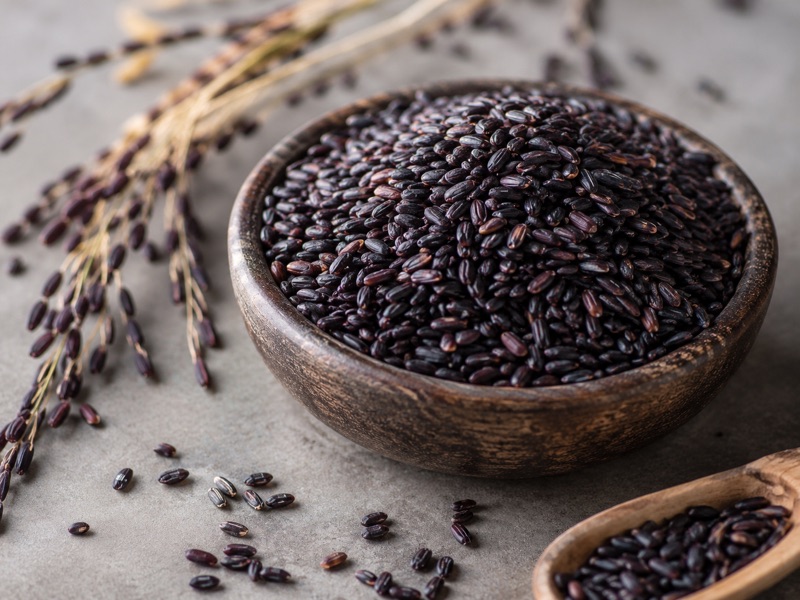
Tamil Nadu's celebrated black rice, once linked to royal households. Naturally rich in anthocyanins — the antioxidants found in dark berries.
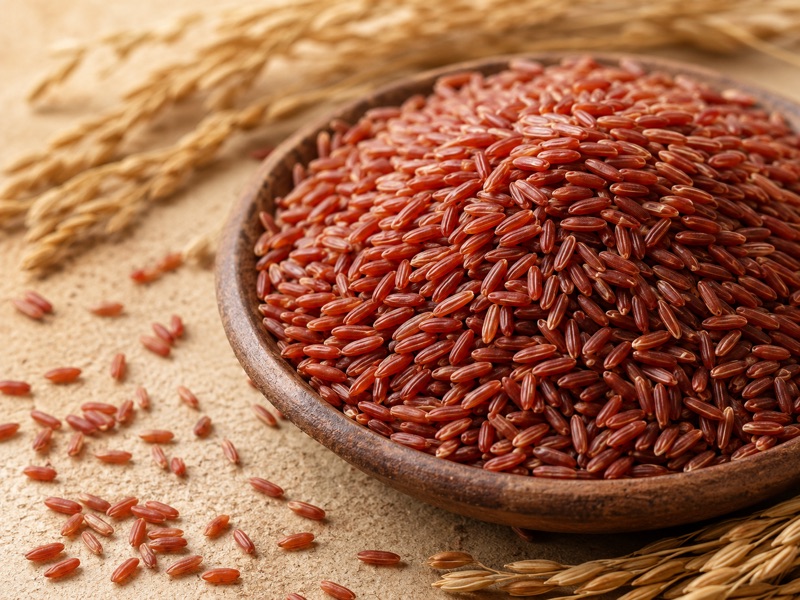
A traditional red rice recognised for its nutritional richness and its long-standing place in heritage food systems.
The Siddha system — one of India's oldest knowledge traditions — emphasises the relationship between food, seasons, environment, and overall well-being.
Rather than relying on a single staple year-round, communities historically ate a diverse range of rice varieties based on climate, occupation, age, and lifestyle. This nutritional diversity created resilient food systems and balanced diets.
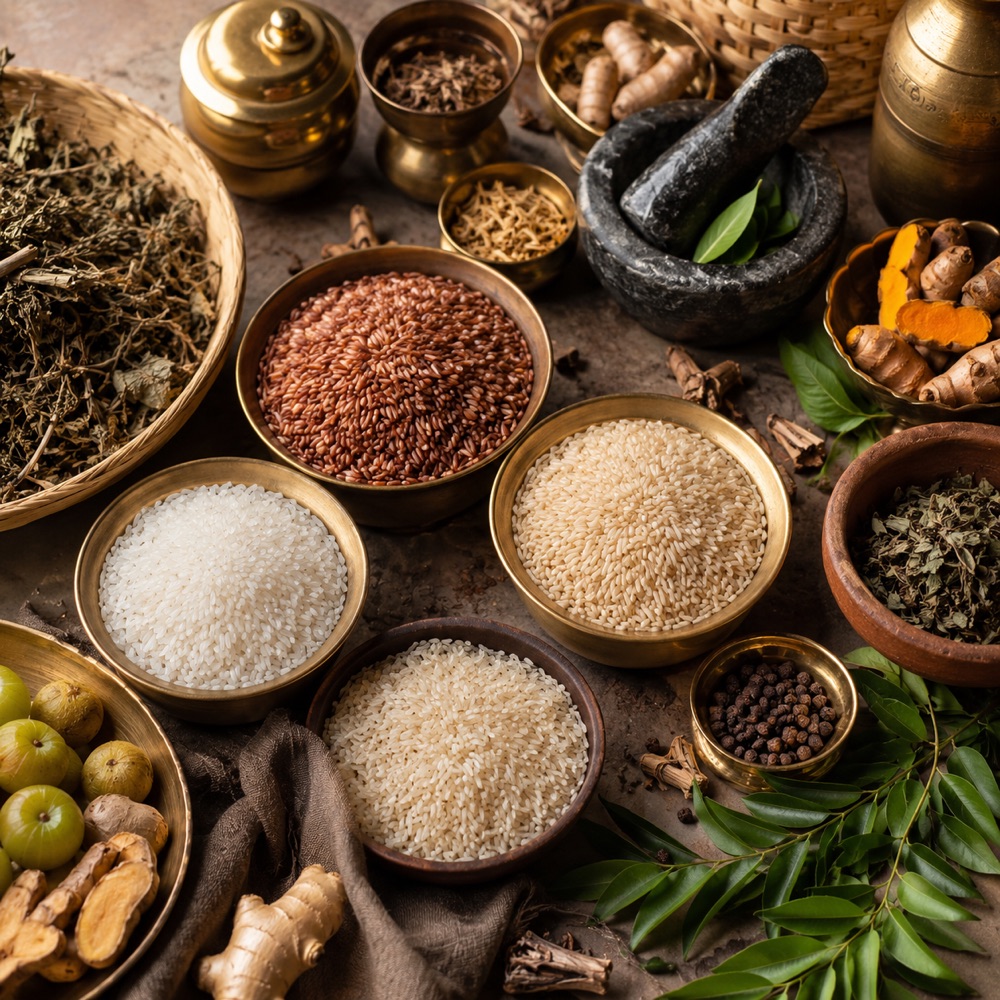
As awareness grows around whole foods, many people are rediscovering indigenous rice as an alternative to heavily processed staples.
While no single grain is a medical solution, incorporating a variety of traditional foods contributes to a more diverse and balanced diet.
Our commitment extends beyond cultivation. We support practices that restore soil health, preserve biodiversity, and protect native seed for future generations.
Healthy food begins with healthy soil.
It is to revive Tamil Nadu's agricultural wisdom, preserve indigenous grain diversity, support farming communities, and make authentic traditional foods accessible to future generations.
Through direct relationships with farmers and traditional cultivation practices, we work to bridge the gap between agricultural communities and modern consumers — food that is transparent, traceable, and deeply connected to the people who grow it.
Tamil Nadu is home to numerous heritage rice varieties including Thooyamalli, Seevan Samba, Karuppu Kavuni, Poongar, Rakta Sali, Mappillai Samba, Kichili Samba, and many others cultivated for generations.
Indigenous rice varieties help preserve agricultural biodiversity, support local farming traditions, and contribute to sustainable food systems.
Karuppu Kavuni is a traditional black rice variety from Tamil Nadu known for its natural antioxidant content and historical significance.
Thooyamalli is a traditional Tamil rice variety recognised for its soft texture, aroma, and suitability for daily meals.
Regenerative agriculture focuses on restoring soil health, improving biodiversity, conserving water, and promoting long-term ecological sustainability.
Consumers are increasingly seeking natural, minimally processed foods that support sustainability, agricultural heritage, and dietary diversity.